



By: Jeremy Mayer Feb 11/2026

Marketing, and specifically digital marketing, was a rollercoaster in 2025. We cover highlights in our recent blogs on The Top Headlines in PPC for 2025 and The Top Headlines in SEO for 2025. AI dominated the news and was integrated into many of the tools that we use, and, no surprise, that’s the theme for many of the predictions for 2026 that we cover in this blog.
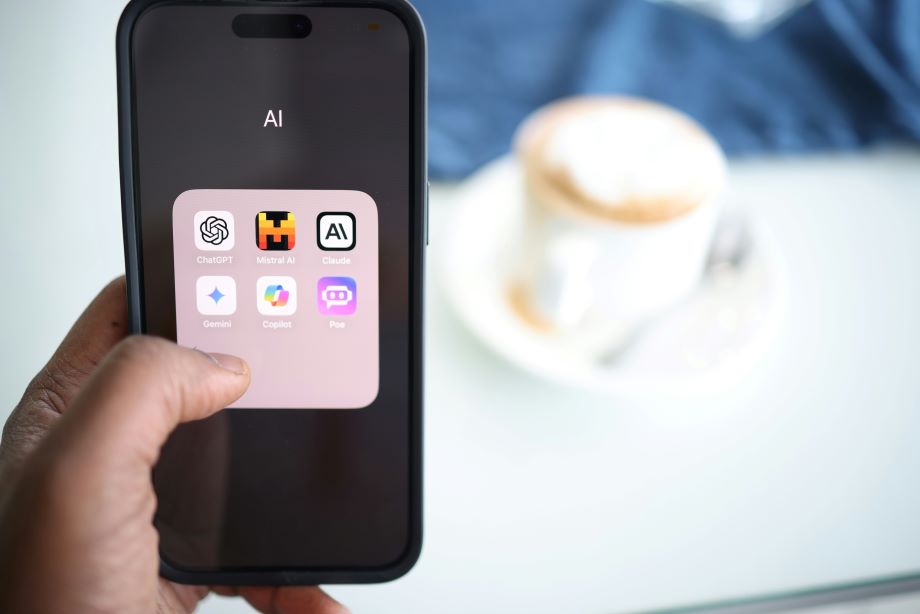
AI was everywhere in 2025; we saw the continued growth of the use of tools for search, like ChatGPT and Gemini. This meant that how people searched changed slightly, and we saw more traffic coming to websites from these tools. We expect traffic from generative AI/AI Chatbots coming to websites to continue into 2026. This will likely continue to increase in early 2026, but how sustained this will be will depend on the general use of AI. ChatGPT has announced that they are integrating ads into their results. For many people who were tired of Google’s search results becoming dominated by ads and having organic results pushed further and further down the page, this may frustrate them with these tools and drive them to use different AI tools without ads or switch back to search engines with fewer ads.
Then there’s the general view of AI in the financial sector, where it is widely seen that the AI investment is a “bubble”. Even Sam Altman of OpenAI (ChatGPT’s parent company) has expressed this sentiment. If the market starts to crash somewhat or the cost of managing all the data centres becomes prohibitively high, we may start to see people revert to traditional search engines for better performance, since they have over 30 years of development to deliver the results that they do. The general sentiment about AI will also have an impact, as more information comes out about its financial, environmental, and social costs and negative impacts, we may see fewer people use the tools now that their appeal as something new and interesting has started to wear off.
Many of the same factors discussed in the last point will apply here, but as long as there is a push for AI in the industry, we will see AI be integrated further and further into the tools we use. We expect platforms to try to simplify their use through the use of AI tools. Meta has already announced that it will be integrating an AI agent to help small and medium businesses and plans to fully automate marketing with AI by the end of 2026. This will give advertisers an easier start getting into digital advertising without needing knowledge or expertise in ad platforms. However, since these platforms’ priority is making money for themselves, this may result in a higher number of businesses that go this route, investing without generating the returns that they truly need. There is no real replacement for having an expert manage your ads.
Within SEO tools and analytical tools, there will be greater emphasis and use of AI for evaluation. This can have a strong positive impact by helping to analyze large data sets and identify niche opportunities for optimization. As these tools become smarter, the output *should* improve and help further speed up menial tasks like Alt tag generation for images.
Through 2025, we saw increased use of imagery from AI in ads. They simplify the cost of display and video advertising for small and medium businesses. There is no longer a need to hire a dedicated videographer or photographer to generate high-quality imagery. This is beneficial since it means that new strategies and platforms open up for businesses without big budgets. I was surprised at the frequency of big companies like Google and Coca-Cola using AI-generated ads over the holiday season, and we expect this to continue and expand in 2026.
With all this growth in AI in the industry, especially with more AI imagery and video, we expect the polarizing opinions on AI to impact the sentiment for brands. I noticed this among my friends this past holiday season, where one noted that the clear use of AI in the Coca-Cola holiday ad really diminished his view of the brand since they are known for well-crafted storylines and videography in their holiday ads, and this year’s felt cheap and lacked the traditional quality. On the other hand, I know people who love what AI can create. In 2026, we will likely start to see a larger shift in how people feel about brands based on the tools they use for marketing and how they portray themselves. Those with a negative bias to AI will pass that negative sentiment onto brands that lean heavily into AI, while those with a more positive bias will do the opposite.
However, regardless of which way people lean in their AI views, we do crave authenticity. AI is not known for its creativity and authenticity. When AI is used exclusively for content, website design, or SEO, then the results become fairly uniform. Without work put into a dedicated brand tone, voice, and personalization through first-party imagery, there is little to convince website visitors to choose your business. The brands that people truly remember are the ones that they have a connection with, and this connection is best fostered through the human connection. Because of this, social media micro influencers are being integrated into big brand strategies since they provide a more authentic and local connection to their followers.

Beyond the direct AI impact on marketing, we expect the costs of digital marketing within platforms to continue to rise. Generally, long-gone are the days of the $0.50 cost-per-click for search ads on Google Ads. It has become common in some industries, like HVAC, to see an average cost-per-click of $30, and up to $100-$150 for emergency repair terms. Website experiences and salesperson conversion rates have to be extremely high to continue to generate a strong return-on-ad-spend for the leads generated. With the barrier to entry decreasing with AI, there will be more small and medium businesses entering the digital marketing space, further driving up competition for keywords. If economic uncertainty and higher cost-of-living trends continue, there could be decreased search volume for keywords as spending decreases, which would further inflate the competition.
Increased cost of paid ads is where a diverse marketing strategy, including a strong SEO presence, will be beneficial. As discussed above, AI tools can help make SEO teams more efficient, so combined with strong human expertise, a good organic presence from SEO work can help drive non-paid traffic to company websites, keeping them relevant. This is also a time to leverage and engage with current clients. A strong email marketing strategy is a cost-effective way to drive incremental revenue over time by re-capturing previous clients or driving purchases from people who abandon their cart.
This may also be a time to look at traditional media that is best suited for your business. Direct mail, radio, and TV ads have been proven effective for some of our clients when combined with a strong digital strategy. Working with an agency with analytics expertise can also make these channels more measurable through phone numbers for tracking or UTM parameters.
As the economic environment continues to present its challenges, we expect to see businesses change their marketing managers and move on from stagnant relationships with marketing agencies to improve performance. In these instances, it’s important to make sure that the replacement is going to offer greater reporting and visibility into where advertising dollars are going. In an evolving marketing landscape, it’s agencies like Snaptech that have your best interests in mind, stay abreast of changes in the marketing space, and prioritize the business impact (leads and revenue) over vanity metrics like rankings, impressions, and clicks. Agencies and marketing managers who have a strong reliance on AI may result in wasted spend if the underlying knowledge of digital marketing isn’t there.
In 2019, Rand Fishkin, a leader in the SEO industry and founder of Moz and SparkToro, wrote about how over half of the searches on Google did not result in a click through to a website. With the introduction of AI overviews and the AI mode in Google, it’s no surprise that we (and Rand) expect this trend to continue. This will have a bigger impact on websites, so don’t be surprised to see traffic from organic searches, particularly for information, decrease in your analytics. As AI continues to evolve, we may see this start to impact ads as well. If AI overviews start to offer solutions or the ability to buy from the AI results, purchases and bookings from websites will decrease. Staying up to date with the integrations that CRM tools, ChatGPT, and Google will offer to integrate directly into your booking system will be the best way to leverage this.
Obviously, what happens with AI is going to have the biggest impact on many of the predictions above. But, regardless of what happens, it’s important to maintain the human element of your business. Build those connections with your customers and drive long-term value through returning customers and re-engaging them through email and traditional means. Leverage marketing expertise from experts, particularly those with a strong analytical background, to find opportunities to leverage and to maximize return-on-ad spend.
Ready to work with an agency that will put your business goals and data first? Reach out to Snaptech for more information.
