
Isabel Balagat
By: Isabel Balagat Dec 23/2025

If you felt like every industry headline this year began with, “AI is changing everything,” you weren’t wrong. From Google’s ever-evolving Search Generative Experience (SGE) to video editing tools that can crank out endless variations, the PPC world was a rollercoaster this year. The biggest takeaway? Automation is the new norm, but human strategy is the ultimate differentiator.

Here are the top headlines in PPC from 2025 and why they matter in your marketing strategy going into the new year.

Google Ads Enters AI Overviews

Google officially rolled out ads inside AI Overviews (those AI-generated summaries at the top of search results). While SERP features like knowledge panels and featured snippets already reshaped the user journey into ‘zero-click searches,’ this behaviour has gone into overdrive with AI. Traditional ad positioning is fundamentally shifting.

Close up shot of hands typing on a mobile phone with an interface of a search bar on the foreground.

What this means:

  • Mid-funnel discovery increases: Clicks may drop, but mid-funnel discovery increases. Ads now show in conversational-style queries, not just classic keyword searches.
  • Authoritative content matters more than ever: The sites referenced in AI Overviews get disproportionate visibility.
  • Conversational ad copy: People are searching more like they text or speak. Your ad copy must reflect this conversational context.

The eligibility criteria for these ad placements are developing. What’s important is to ensure your website and ad content are optimized for expertise, helpfulness, and clarity, as AI doesn’t cite vague content.

Ad Management & Creation Goes Full AI Mode

With Google’s Performance Max, Microsoft’s AI copilots, Meta’s creative automation tools, and WPP’s all-in-one AI ad creation workflow, everyone suddenly became a creative director (at least according to the AI). Automation made campaign setups easier, but strategic oversight has never been more important.

A multimedia wall displaying various editorial images in uniform sizes for advertising.

What this means:

  • From bid manager to data scientist: You’re now spending less time managing campaigns and more time feeding the AI high-quality data, testing creative assets, and analyzing insights.
  • Garbage in, garbage out: The AI is only as good as your input. Use high-quality data and creative assets to get quality results.
  • Creative velocity is key: Generative AI tools allow you to create and test endless creative variations faster than ever before.

Do not rest on your laurels! Automation does not mean complacency. Strategic ad testing and optimizing your data signals are ways to succeed in today’s rapid ad cycles.

Video Ads Explode Thanks to AI Creation Tools

Video used to be a resource-intensive “nice-to-have” in PPC. With AI video tools democratizing production, advertisers of all sizes can now easily make short, platform-native videos (YouTube Shorts, TikTok, Reels) without a full production crew. In fact, the IAB predicted that almost 90% of advertisers will use generative AI for video ad creation next year.

Close up shot of a professional camera filming a video against a soft focus background.

Why this matters:

  • Video is everywhere: It’s a key ad type in channels like TikTok, Meta, Google, and YouTube.
  • Research happens in social media: YouTube and TikTok have become research platforms for buyers, not just entertainment channels.
  • Algorithms reward fresh content: Creating and A/B testing multiple video iterations is easier than ever as platforms reward regular content and engagement.

Small businesses can now level the playing field with larger advertisers. Success relies on agility – constantly testing and strategizing to make the most of the available creative tools.

Communities Become the New Search Engines

Reddit’s record-breaking Q1 earnings didn’t happen by accident. With the internet filling up with AI-generated content that sounds helpful but answers nothing, consumers are turning back to something powerful: Real human communities. Reddit, Discord, and niche forums have become the new “trusted search engines.”

Close up shot of a mobile phone with a Reddit community displayed on the screen with a laptop keyboard in the background.

What this means:

  • High-intent audiences: Contextual targeting provides access to incredibly high-intent audiences looking for solutions within specific communities.
  • Trust overreach: People trust advice from communities more than generic influencers or mass-market ads.
  • Tone is everything: Ads that match the community tone (useful, not salesy) perform much better.

Consider expanding your ad strategy into community-based platforms. Embrace having a genuine brand personality while being mindful of the community tone, instead of sounding generic like just another AI-generated ad.

Third-Party Cookies Are… Still Alive

The most lowkey, yet strategically impactful, development this year was Google announcing the end of its Privacy Sandbox project, effectively delaying third-party cookie deprecation (again). So third-party cookies live to see another year (or more), but regardless of Google’s timeline, marketers have already moved on.

A person typing on a silver and black laptop with an open browser on the screen with outdoor greenery in soft focus in the background.

Why this matters:

  • First-party data is now the priority: The industry has fully committed to making first-party data collection a core operational priority for every serious business.
  • Holistic view: Data collection across marketing touch-points enables a holistic understanding of the customer journey.
  • Future-proofing: The industry is preparing for an eventual cookieless future (even if Google keeps hitting snooze).

Now is the time to set up compliant, first-party data funnels. Mitigate risk by complementing broad, third-party data with meaningful insights from the data you own.

The More AI Changes, the More the Fundamentals Matter

While AI has rewritten how we build campaigns and automation is becoming the norm, the fundamentals of effective digital marketing are more important than ever. Why? Because at the core of it all, humans are still most effective marketing to humans.
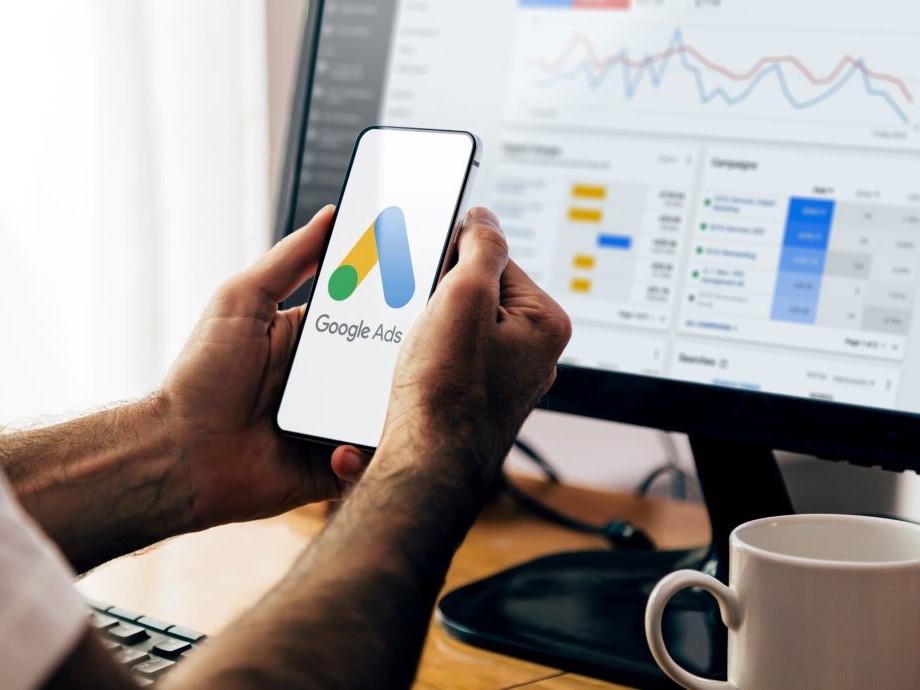
A man holding a mobile phone with the Google Ads icon on the screen and a desktop computer in the background with the Google Ads interface in soft focus.

To stay competitive in 2026:

  • Understand your customer’s journey.
  • Know where they research (Google, TikTok, YouTube, Reddit).
  • Set up conversion tracking and first-party data collection effectively.
  • Test your creatives constantly.
  • Don’t ever “set and forget” your campaigns.

If you can master those, you’ll stay competitive no matter what AI does next.

Need human help with your ad strategy in 2026? Reach out to our media buying team for results that matter.

Isabel Balagat

About the Author

Isabel Balagat LinkedIn Profile
Isabel is a Paid Media Strategist at Snaptech with extensive experience in creating data-driven digital marketing strategies. With a background in communication design and brand management, she specializes in delivering high-quality, engaging ads that lower cost-per-conversion by up to 40%. Isabel also focuses on optimizing website content through on-page SEO to enhance user experience and maximize campaign results.