



By: Kavan Sohal May 13/2026

Online shopping has come a long way, but sizing is still one of the most frustrating parts of it. You buy a large Nike t-shirt, and it fits perfectly. Then you order a large from Lululemon, and it’s noticeably tighter and more snug, even though the sizing should be the same. We’ve all been there, especially with online shopping, where you can’t try anything on.
This is exactly the kind of problem AI shopping is positioned to solve, and it’s where the next wave of ecommerce gets really interesting. Beyond discovery and search, AI is starting to reshape personalization, virtual try-on, and even the way prices get set in real time.
Most online shopping today is a one-size-fits-all experience. The product page is the same whether you’re a first-time visitor or a ten-year customer. Recommendations are shallow. Size charts are static. Return rates stay high because shoppers are guessing or become unsatisfied with the product.
AI changes this relationship. The data that ChatGPT and other AI engines collect over time will allow them to provide more personalized suggestions than even the best search engines can today. Through conversation, these platforms will get to know you on a personal level in ways Google Search simply can’t: your preferences, your style, your living situation, your budget, and even your sizing. That’s a fundamentally different relationship than typing keywords into a search bar.
An AI that knows your purchase history, size, and fit preferences could flag that a large from one brand typically runs smaller than a large from another before you hit checkout, saving you the hassle of returns, exchanges, or unsatisfying products. If you’re a returning customer, it might even learn your style over time and surface pieces it knows you’ll actually wear. That level of personalization is something traditional search can’t match, and if it works, it will almost certainly convert better than today’s one-size-fits-all listing pages.
This doesn’t just apply to clothing. We’ve already seen early versions of this through camera overlays from the likes of IKEA Kreativ and Amazon AR View, but think about where it’s going. Snap a photo of your living room, select the couch you’re interested in, and the AI shows you exactly how it fits your space. It might even flag that a different size, style, or colour would work better with your current layout or colour scheme. That’s the kind of shopping experience online retailers will need to be ready for, and it will change how product data, imagery, and recommendations all get structured.

Google is also pushing this further with AI-powered virtual try-on features in Search. We’ve seen early versions from some retailers, but Google’s approach looks like it will go well beyond that, showing you what a product actually looks like on your body type rather than on a generic model.
The direction is clear: more accurate visualization of how products actually look on real people, driven by AI. Between smarter sizing recommendations and better visual try-on, the gap between online and in-store shopping is about to get a lot smaller.
For retailers, this creates a new asset to think about. Product photography used to be enough. Soon, having body-type diverse imagery, tagged measurements, and fit data becomes part of the package that determines whether AI can actually render your products convincingly for shoppers.

Marketing for AI grocery shopping is seeing the same trend, with users leaning on AI to plan meals, find substitutes, and compare options across stores. This also includes the type of grocery that would benefit your current family, including the preferences each person has, which is a goal of improving AI Grocery shopping with ChatGPT and Microsoft. But it goes deeper than that. An AI that knows your profile could:
· Flag ingredients that conflict with your medications or dietary restrictions
· Remember what you normally buy and suggest reorders at the right intervals
· Estimate how much you actually need based on your household size
· Recommend alternatives when something’s out of stock
· Track your spending against a weekly grocery target
The use case is broad. The same logic applies to supplements, pet products, skincare, and any category where personal context changes the right answer. In each of these verticals, the brands with the richest product metadata and clearest first-party data strategy are going to win the AI recommendation.
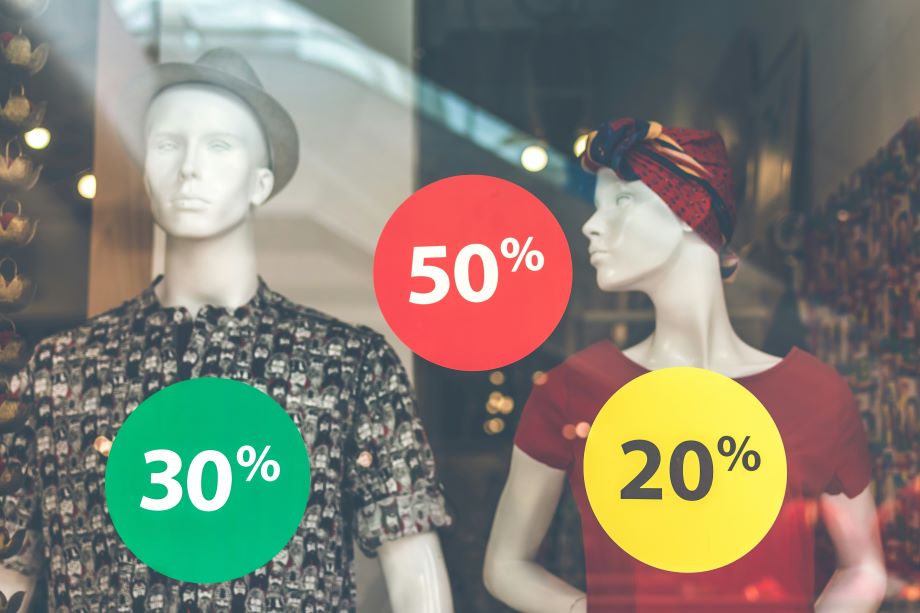
This is one of the most under-discussed shifts happening right now. Google is piloting “Direct Offers” inside AI Mode, a format that lets retailers show exclusive promotions (for example, 20% off) directly inside AI conversations when Google detects strong purchase intent.
There’s no classic keyword auction. The system surfaces offers when they’re relevant to the conversation, alongside organic AI suggestions. For retailers, this opens up a genuinely new capability: testing promotions against actual buying intent rather than broad traffic.
Imagine you can predefine several discount tiers (10%, 15%, 20%) and see which threshold actually moves shoppers who are already weighing your product in an AI conversation. If the data shows that a cluster of shoppers would convert at 15%, you can either run a targeted flash sale or hold out and see how many buy at full price. It’s a new layer of competitive intelligence, and it effectively turns pricing into a live, AI-tested lever rather than a static promo calendar.
This is also where personalization and price setting start to overlap. If AI can tell that you’re a loyal repeat customer versus a deal-hunter who only buys on sale, there’s nothing structural stopping brands from tuning offers accordingly over time. That raises real questions about fairness and transparency, which brings us to the next point.
All of this personalization depends on one thing: users letting AI platforms remember things about them. Preferences, measurements, purchase history, dietary needs, medications, and other household details.
That’s a meaningful amount of personal data being held by a small number of platforms. For shoppers, the convenience is obvious, though it does come with the risk of data breaches and your personal information being made public or sold off to unscrupulous individuals. The tradeoff is less obvious. For retailers and marketers, this is worth paying attention to because the platforms holding that data will ultimately shape which products get recommended and how.
The smart move for brands is to invest in their own first-party data relationship with customers. Email lists, loyalty programs, account-based personalization, and high-quality post-purchase data are going to matter more, not less, in a world where a handful of AI platforms sit between you and your customer.
Get your fit and sizing data in order. Detailed measurements, body-type imagery, and fit guides are becoming a ranking factor in AI conversations, not just a nice-to-have on the product page.
Build first-party data into the experience. Account creation, post-purchase surveys, and loyalty programs are how you keep a direct relationship with the customer even when AI sits in the middle.
Think about pricing as a testable lever. If Direct Offers or similar formats are going to let you match discounts to intent, you need the infrastructure to spin promotions up and down quickly.
Audit your product imagery. Virtual try-on and AI-rendered previews work best when your product photography is clean, consistent, and tagged with real data.
Plan for transparency. Personalization is an advantage, but customers will increasingly ask why they were shown one price or recommendation and not another. Brands that communicate clearly about this will build trust faster.
AI shopping is still in its infancy, but the direction is clear. Discovery, sizing, try-on, and pricing are all being rebuilt around conversational AI. The retailers who treat personalization as a product decision, not just a marketing one, are the ones their customers will stick with.
Want to learn more about AI Shopping for your business? Check out How AI Shopping is Reshaping SEO: What ChatGPT, Shopify, and Google AI Mean for Retailers.
