


By: Sophie Allen Aug 12/2026

Email marketing is something everyone with an email address has likely encountered. If you lived in Canada before 2014, your inbox was likely flooded with marketing emails from just about everywhere you made a purchase (especially if you’re like me and lack the ability to say no when asked for your email address). Thankfully, the deluge was reigned in on July 1st, 2014, when Canada’s Anti-Spam Legislation took effect. This meant that businesses needed your explicit consent to send marketing or promotional emails and needed to include a way to unsubscribe from those emails at any time. Happy Canada Day to us.
Now, we can be more purposeful about the marketing emails we sign up for; when they no longer serve us, the unsubscribe option is relatively easy to find (side-eye to the companies that use the smallest font possible). From a business perspective, this means that your emails are arriving in the inboxes of people who might actually be happy to hear from you.

Email marketing is a digital marketing strategy that uses email to promote products, build customer loyalty, and share company updates. It connects businesses directly with people who have explicitly opted in to hear from them, making it one of the most cost-effective marketing channels available.
A successful email marketing campaign relies on consent, segmentation, and personalization. You can build your audience list by offering incentives (more on this later) in exchange for an email address. Once obtained, you can then send tailored content like newsletters and promotional offers.
Getting started with email marketing goes beyond collecting an email address. For starters, how are you asking for it? For an e-commerce website, you’d typically collect the customer’s email address at checkout with a box they can check to consent to email marketing. However, that’s only capturing the people who have made a purchase. Similarly, B2B businesses can obtain emails when offering to send a PDF with more information on a product or service. Again, this only looks at people already investing in your business. More frequently, e-commerce sites have a pop-up for first-time visitors* offering a special welcome gift if you give them your email and consent to receive future marketing communications from them. Often this is a small discount off your first purchase or free shipping. This type of incentive is a great way to obtain emails for your marketing list and make a sale.
*First-time visitors are defined by web browser cookies. Clearing your cookies, using a private browsing window, or visiting on a new device will trigger the pop-up.
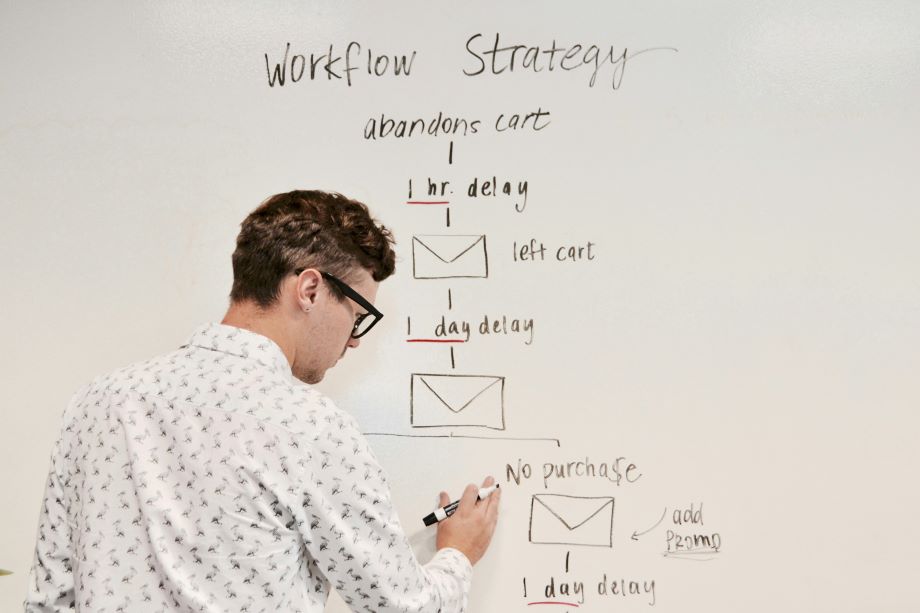
Now that you’ve got your email list, refine it. This is especially important for e-commerce sites, as you don’t want to send welcome emails to returning customers, and you may want to send reminders or incentives to people who have abandoned their cart at checkout. Before you send your first email campaign out to your list, take a moment to review some dos and don’ts to ensure your list stays strong and the unsubscribe button gathers dust.
Segment your audience.
When signing up, give customers the option to opt into all emails, sales emails only, etc
There are five main categories for segmentation:
Provide incentives. Ex:
Find a good tracking tool.
Some of the more popular tracking tools are:
Communicate honestly with your customers.
Bad things happen, but people are generally understanding if you’re open and honest about what you’re doing with it. In the event of a data breach, be sure to communicate the impact to customer emails and information, what you’re doing about it, and what your customers need to do on their end.
Send and forget.
Tracking your emails to see how successful they are is important and will inform the rest of your email marketing strategy. Pay attention to which emails get opened the most, and which generate the most unsubscribes.
Spam your customers.
Be the business customers are happy to hear from. Sending an email every day or multiple times a day is a huge turn-off and the fastest way to get someone to unsubscribe.
Sell your customers’ data to third parties.
No one likes getting emails from companies they didn’t subscribe to. While they may not know it was your business that sold their email, it’s still not okay to do it.
Be sneaky.

Now that you’ve got the basics sorted out, you’re ready to launch your first email marketing campaign. Give it a quick read for typos, and you should be good to go. Of course, if you ever want help with your email marketing campaigns, Snaptech is always available to help out.
Need help creating a website customers actually want to interact with? Contact Snaptech to get started.
