



By: Sophie Allen Jul 29/2026

More and more, when we visit a website, a chatbot pops up, often obscuring our view of the page to offer assistance before we’ve even been on the website long enough to know if we need it. These chatbots come with good intentions, offering help and answers to easy questions that can likely be found on the website, if one knows where to look. However, they also add a new layer of difficulty when trying to get in touch with a human. With the rise of AI being added to absolutely everything, chatbots are also evolving, though whether or not it’s into something more helpful remains to be seen. We’re going to look at the public sentiment toward chatbots and what you, as a business, can do to ensure that yours is helping your business rather than putting people off. Let’s dive in.

Businesses and consumers alike can benefit from having chatbots on websites they own or visit. While it can be argued that having a chatbot in place of a human customer service agent is a downside, many benefits can actually come from it. Here are some pros to having a chatbot on your website to answer questions from visitors:
Fast and Responsive: Bots can provide instant answers to basic queries at any time of the day or night. No need to check business hours to ask a question.
No Judgement: Not that anyone should judge a question, but some users have reported feeling more comfortable asking bots simple, repetitive questions or ones that could easily be found on the website, because they don’t feel judged for having to ask.
Cost-effective: Having a bot in place to answer the repetitive, simple questions the majority of visitors have can free up human customer service agents to be able to answer more complex questions and focus on other tasks.
Efficient: Some websites offer the option of having someone answer your question via email if the chat is not live or no one is available. This could lead to a backlog of questions needing to be answered with a higher chance of one being missed. Having a chatbot always available ensures no questions slip through the cracks.
Neutral: Chatbots bring no emotion to customer support, which prevents bias but also helps if users are upset and needing to vent. Companies won’t have to worry about their employees becoming the sounding boards for a dissatisfied customer.
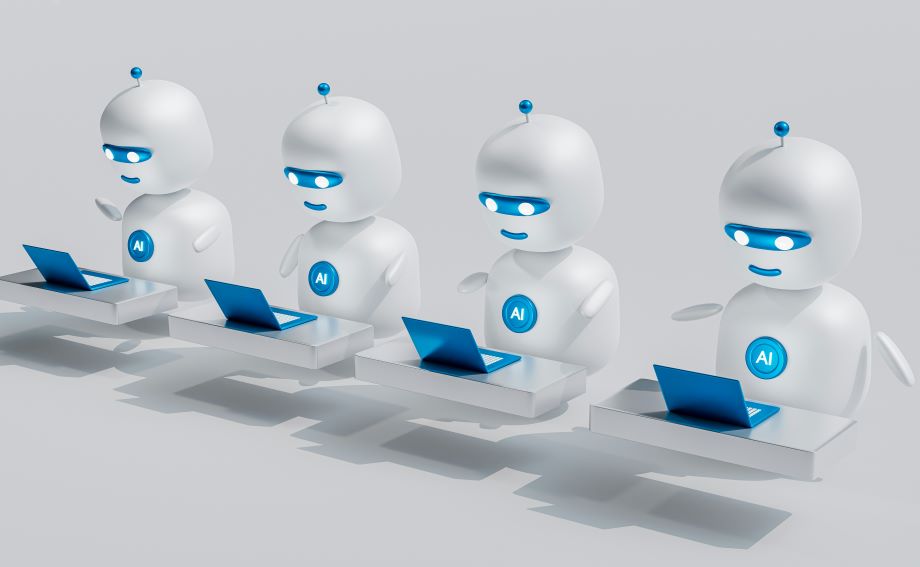
While there are valid arguments for having a chatbot on your website, there are equally valid arguments for why you shouldn’t; most have to do with customer alienation. Some of the cons that people have against chatbots on websites include:
Incorrect Answers: While chatbots are able to answer the easy questions that can be found on the website, customers often have more specific questions than the chatbot can answer.
An Endless Loop of Useless: Stemming from the con above, when a chatbot doesn’t have the answer you’re looking for, you can be stuck in an endless loop of suggested questions, “did this answer help?” queries, and requests to start again. It’s frustrating and leads to negative feelings towards the business.
Hard to Reach a Human: For those complex questions that the chatbot cannot answer, it can be hard or even impossible to reach a human. Even asking the chatbot for contact information can be difficult. For busy people, the difference between asking a question via chat or calling and waiting on hold determines their loyalty to the business, especially if the competition is easier to get a hold of.
Unmonitored Feedback: For more forgiving customers who are willing to stick around and provide feedback at the end of a chatbot interaction, it’s hard to know if their feedback is ever taken into consideration. Often, you’ll leave feedback only to encounter the same problem months later and find no improvement. Customers leave when they don’t feel listened to.
Aggressive Popups: The online customer experience starts the moment they land on your website. If, within 2 seconds of arriving on your homepage, a giant chatbot box pops up, obscuring content and often not having a clear way to minimize or exit the chat, customers become frustrated and leave.
Chatbots can be useful tools on your website if implemented correctly. Here are some tips to ensure that your website’s chatbot is more of a help than a hindrance:
On the one hand, a customer service chatbot is a great idea when it comes to efficiency, availability, and the ability to answer repetitive questions. It’s a great sounding board for customers that might otherwise take out their frustrations on a human customer service agent and will remain neutral no matter what is typed. On the other hand, the majority of customer frustration is caused by chatbots. Not having the answer a person needs, not making it easy to connect with a human to ask more complex questions, or getting in the way of important on-page content makes having a chatbot a pain.
The best approach is a thoughtful one. Rather than choosing any chatbot tool available, take some time to put yourself in the shoes of your customer and consider what matters the most. Efficiency is great, but not at the cost of customer satisfaction and loyalty. Having the option to be connected with a human agent is helpful, but having it as the first option opens that agent up to a lot of repetitive questions that could easily be answered by a bot. Having a balance is key, but striking it will take time and effort. The result, however, will be well worth it.
Looking to optimize your website’s customer experience with chatbots and good CRO? Contact Snaptech to see how we can help.
