



By: Sophie Allen Nov 26/2025

Catching up with a busy globetrotting millennial can be tricky; navigating across multiple time zones and hectic work schedules is not for the disorganized. Luckily, I am both highly organized and a friend of said globetrotter, so getting this exclusive interview you’re about to read was really just a matter of asking politely and exchanging vacation snaps.
Elixabeth Ruggeri is a woman of many talents, mainly within the marketing and web3 spaces, though that’s putting it simply.
“[M]y official title is Independent Researcher and Growth Specialist. My background is in global affairs and business, although I do collect degrees (I studied music, linguistics, and most recently got my Security+, which is for cybersecurity).”
The lady is busy, to say the least, and if you’re not already subscribed to her Substack, Latest in Cyber, or following @latestincyber on Instagram, you’ve been missing out. We’ll get more into that, and so much more, in our interview below. Seriously, there are so many questions I have for Elixabeth, but here are the ones that are most important for you to know.
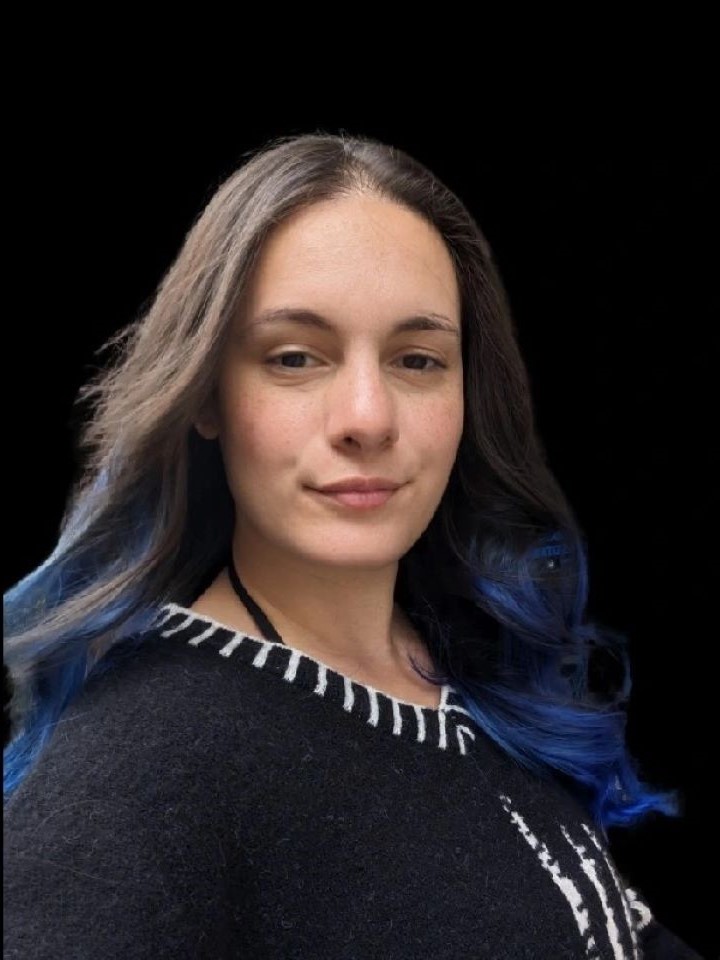
My first role was in door-to-door sales, which taught me so much about the psychology behind advertising. After spending 7 years there in executive leadership, I chose to transition to social media advertising (paid social) full-time. I had been leveraging organic social media for small to medium-sized businesses since 2011 as a hobby, but this time went full corporate, working with TJX Canada (Winners, HomeSense, Marshalls) and Northbridge Financial. Now I specialize in Growth and community building in the web3 space.
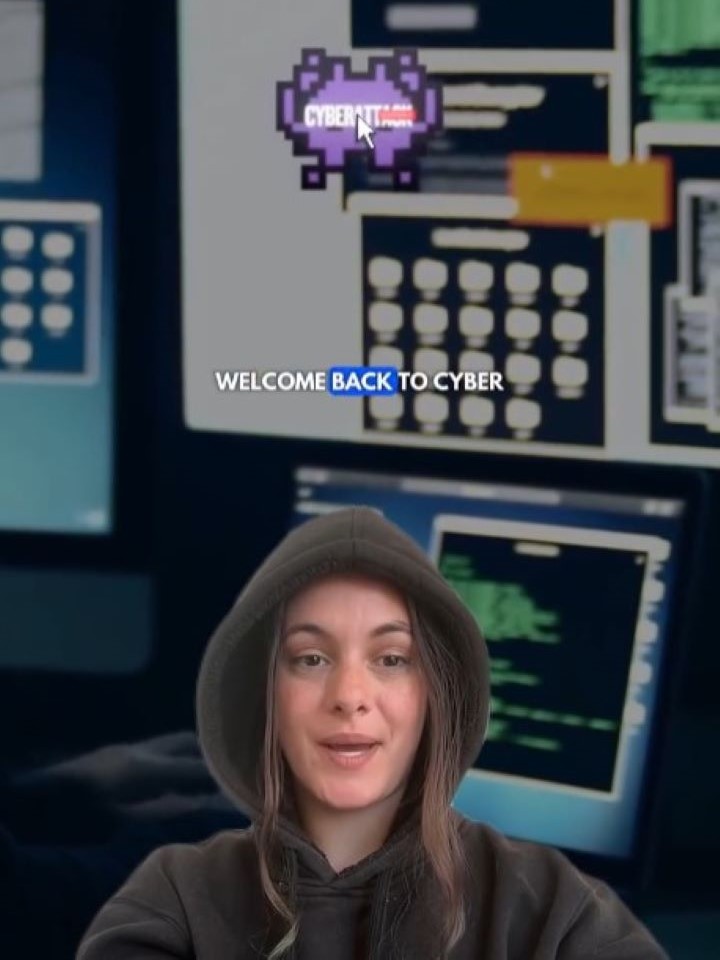
It all started when I was working on a client’s account as a contractor and stumbled across an Excel spreadsheet full of credit card information that was hosted in their cloud. No password on the file, by the way, and this was a very large hotel chain. Honestly, I still think I have access to it today, despite repeatedly begging them to secure it.
I’ve always been super involved in keeping our kids safe online, and that just tipped me over the edge into the never-ending rabbit hole of data privacy. It’s one thing to work against bullying on social media; it’s another to realize the devastating effects a data breach can have on someone’s life. For years, I would share stories on my social media, but then I realized a lot of people truly had no idea what was going on. I didn’t want to use my personal accounts as they are more travel-oriented, so I launched Latest in Cyber.
My goal is to spread education through awareness by leveraging something I know like the back of my hand–social media. It’s still a hobby at this time, but it has increasingly afforded me opportunities such as attending Bitcoin 2025, and as I dive deeper into research, I am starting to give it more and more focus.
I think the biggest issue we have right now in 2025 is trust. Growing up in the 90s, you were constantly told to be careful what you put online because the internet is forever. Since then, our education systems have been lacking, and so has our general awareness of how the world around us works.
In the advertising industry, I’m sure you’re aware, password sharing is so common for company accounts, which also means that many of them are not using multi-factor authentication. This is why we are seeing the waves of Facebook ad accounts getting hacked last year, with hackers taking over business accounts, then jacking up their ad spend on clients’ credit cards while sending the traffic to the hackers’ fraudulent websites.
We also continue to have cases like the hotel chain I mentioned, where brands are so desensitized that they don’t take care to secure their clients’ data, leading to so much personal information being leaked to the dark web. The biggest one recently that I think many would have heard about is the Tea app. It was supposed to be a dating safety app for women, but they vibe-coded it and didn’t bother to hire anyone to double-check the security of the app, allowing literally anyone to go in and access users’ personal information–names, phone numbers, even government-issued IDs. Some trolls went as far as to make a Tea Spill website with the victims’ photos, where you could rate them hot or not and then contact them directly.
And that’s before we even discuss the identity theft possibilities…
A lot of companies weigh the cost of cybersecurity against the cost of the fine or the cost of an incident, and if the fine or incident is lower…
It feeds into the business of Big Data, which you and I use daily as marketers. It’s kind of scary how easily we can predict which audience groups to target to sell something. It’s even scarier when you think about what could happen if a psycho got their hands on that data. But let’s go even more serious: what happens if a nation-state starts manipulating that information as cyberwarfare against your country?
We’ve witnessed that with AT&T and China.
Small to medium-sized businesses are not exempt. Smaller companies are often seen as the weakest links in a supply chain attack.
At the end of the day, I’d just like companies to remember that each piece of data affects a human. A person. A person whose entire life could be destroyed (because resolving identity theft is not easy). On top of the more serious concerns, like national security.
Call me, especially if you are in the web3 space. While I do specialize in social (especially Facebook business account recoveries), I also work with a number of teams, including pentesters, white hat hackers (hackers who only hack for good), and blockchain investigators.
I also pay special attention to trafficking and child victim cases, which are handled by specialized individuals who understand the sensitivity and urgency required.
For all inquiries, send an email to shieldedsocial@estin1993.ca.
You can also pay me to set your business up for success from the start and save yourself and your clients the headaches and heartbreak by securing your digital platforms BEFORE something happens. And then I can run your ads, too. You’re welcome.
Actually, the most common one in advertising: Facebook business account recoveries. I have done so many of these that I have even thrown a template up on my LinkedIn for businesses to use. First, you have to demonstrate that you own the business. Then you have to contact Facebook and force them to process your Admin Request. Then, and this depends on the severity, you can also consider pursuing legal action.
If AI can help you, assume it is also helping the bad guys. It took those kids in the UK what, less than 24 hours to figure out how to circumvent the UK’s new age verification laws online?
We’re also seeing vast improvements in social engineering campaigns (those fake phishing emails or scam texts you get all the time). It is getting to the point where it is incredibly difficult to tell the difference between scams and the real thing. Which is also a reminder for legitimate businesses to:
1. Stop making spelling mistakes in your copy, it looks sus.
2. Make sure all your official channels are clear to users, yes, make a post about “these are our only official channels”.
The other thing with AI is that it doesn’t sleep. We’ve already seen models trained to systematically carry out cyberattacks without human intervention. For security teams already suffering from alert fatigue, this is exhausting. Big up your IT departments; they might just need a hug sometimes.
Like, follow, and subscribe to the Latest in Cyber on any social media platform. Engagement is free and it helps me get the message out to more people and show up on more feeds and For You pages.
If you’re really feeling frisky, you can also check out my paper, “Is the World Ready for a Cryptocurrency Standard?” which is published on SSRN, academia.edu, ORCID, and Amazon (because a girl’s got to pay for her plane tickets somehow!).
Aruba! I still haven’t made it there yet, and it sounds like a pirate’s dream! Oh, and Bhutan, which is very limited, as they charge a daily tourist fee of I think $200. Last but not least, Palau–a stunning island nation that makes you sign a pledge to protect the local environment during your stay. I dream of having that in my passport!
Do you like reading interviews from professionals outside of Snaptech? Let us know!
